



Small business video production: why video is more accessible than you think
When you think about video production, what comes to mind?
Expensive cameras? Film crews? Elaborate studios? Perhaps a rather uncomfortable experience standing in front of a camera trying to remember what you’re supposed to say.
For many small business owners, video production still feels like something reserved for larger companies with substantial marketing budgets.
But times have changed.
Advances in technology, more accessible production tools and the growing demand for video content mean that businesses of almost any size can now take advantage of video marketing.
And we’re not just talking about glossy promotional films.
From explaining products and demonstrating features to answering customer questions and creating engaging social media content, video can play a valuable role across almost every stage of the customer journey.
The real opportunity isn’t simply to produce more video. It’s to create the right video content for your business, your customers and your budget.
So, if you’ve been putting off video production because you think it’s too expensive, complicated or time-consuming, it might be time to reconsider.
What is video production for small businesses?
Small business video production is the process of planning, creating and editing video content that helps smaller companies promote their products, explain their services, engage customers and achieve specific business objectives.
It can involve anything from a simple smartphone recording or screen capture to a professionally produced product demonstration, animated explainer or promotional video.
The important distinction is that video production doesn’t have to be a major undertaking.
For a small business, an effective video could be a 30-second social media clip, a two-minute product demonstration or a short tutorial answering a question customers regularly ask.
What matters is whether the content communicates something useful and encourages the viewer to take the next step.
Why video marketing matters for small businesses
Most businesses spend considerable time explaining what they do.
They write website copy, create brochures, publish social media posts and develop sales presentations to help customers understand their offering.
Video provides another way to communicate those messages, often in a format that’s easier to absorb.
Think about the difference between reading several paragraphs describing how a product works and watching someone demonstrate it in action.
Or trying to understand a complicated service from a website description compared with watching a short animation that breaks it down into a few simple steps.
Video brings information to life.
Research from Wyzowl’s Video Marketing Statistics consistently demonstrates how widely businesses use video and how important it has become to customers researching products and services.
But for smaller businesses, the benefits go beyond keeping up with marketing trends.
Make complicated products and services easier to understand
Not every product or service is immediately straightforward.
If your business sells technical equipment, software, specialist services or anything that requires explanation, video can help simplify the message.
Instead of relying entirely on written descriptions, you can show customers how something works, what it does and why it matters.
Build trust and credibility
People like to know who they’re dealing with.
Introducing your team, showing your premises or letting customers hear directly from the people behind your business can make your company feel more approachable.
Customer testimonials and case study videos can also provide reassurance by demonstrating how you’ve helped others.
Give customers the information they need
Customers don’t always want to speak to someone to get an answer.
Sometimes they simply want to understand how a product works, compare features or find out what happens after they’ve made a purchase.
Providing this information through video can make the buying process easier while reducing the need to answer the same questions repeatedly.
Create content that works across multiple channels
One of video’s biggest advantages is its versatility.
The same footage can potentially be used on your website, social media channels, landing pages, email campaigns and sales presentations.
With the right planning, video production can become an investment in a library of useful content rather than a one-off marketing exercise.
Small business video production is more accessible than ever
Let’s address the elephant in the room.
Professional video production can be expensive.
But it doesn’t always have to be.
The cost and complexity of creating video depend largely on what you’re trying to achieve, how you approach production and the level of finish you need.
For many small businesses, the barriers to getting started are considerably lower than they once were.
You don’t need expensive equipment to get started
Modern smartphones are capable of recording high-quality video.
Combine a decent phone with a simple microphone, suitable lighting and a little planning, and you’ve already got the foundations for creating useful content.
That doesn’t mean every video should be filmed on a phone.
But if you’re recording a quick product tip, answering a customer question or sharing an update on social media, there’s no reason to assume you need a full production crew.
In many situations, clarity and authenticity are more important than cinematic production values.
A well-explained message with clear sound will usually be more useful than a beautifully filmed video that doesn’t actually tell the viewer anything.
.
Professional production doesn’t have to mean a major production
There’s also a misconception that working with a video production company automatically means a large crew, multiple filming days and an eye-watering budget.
In reality, a well-planned shoot can be surprisingly efficient.
For example, a business might organise a half-day filming session to capture a product demonstration, interviews with key employees and footage of its products or services in action.
That footage could then be edited into several different videos, each designed for a particular purpose.
Rather than paying to produce one elaborate film, the business gets a collection of assets it can use over time.
It’s a much more practical way to approach video production, particularly when budgets are limited.
Not every video needs a camera
Another important point is that video production doesn’t always involve filming people or physical products.
Animated explainers, motion graphics and screen recordings can all communicate information effectively.
For example, a software company could produce a screen-recorded tutorial demonstrating a particular feature.
A professional services business could use animation to explain a complicated process.
A manufacturer could combine existing product photography, technical illustrations and motion graphics to highlight key capabilities.
These approaches can sometimes reduce the need for location filming while making technical information easier to understand.
AI and editing tools are simplifying production
Technology is also helping businesses create and manage video content more efficiently.
Editing software, automatic captions, transcription tools and AI-assisted workflows can reduce the time required to prepare, edit and repurpose footage.
However, technology doesn’t replace the need for a clear message.
A video still needs to be relevant to its audience, communicate the right information and reflect the quality of the business behind it.
The tools may have become more accessible, but good content still starts with good thinking.
Eight ways small businesses can use video
When people think about business video production, promotional videos are often the first thing that comes to mind.
They’re certainly valuable, but they’re only one option.
Video can be used to explain, educate, demonstrate, reassure and persuade customers throughout their relationship with your business.
Here are eight practical applications worth considering.
1. Product and service explainer videos
Best for: Helping customers understand what you offer and why it matters.
Some products and services are difficult to explain in a few sentences.
An explainer video breaks down an offering into a clear, engaging story that helps viewers understand what it does, who it’s for and the benefits it provides.
These videos are particularly useful for businesses offering specialist services, software, technology or more complicated products.
For example, an accountancy firm might create a short animated video explaining its outsourced finance service.
Rather than overwhelming potential customers with terminology, the video could introduce the common challenges businesses face, explain how the service works and highlight the commercial benefits.
Explainer videos work particularly well on website service pages, landing pages and within sales presentations.
2. Product demonstration videos
Best for: Showing customers how a product works and what makes it valuable.
Sometimes the easiest way to explain a product is simply to show it.
Product demonstration videos allow potential customers to see features, functionality and practical applications before making a purchasing decision.
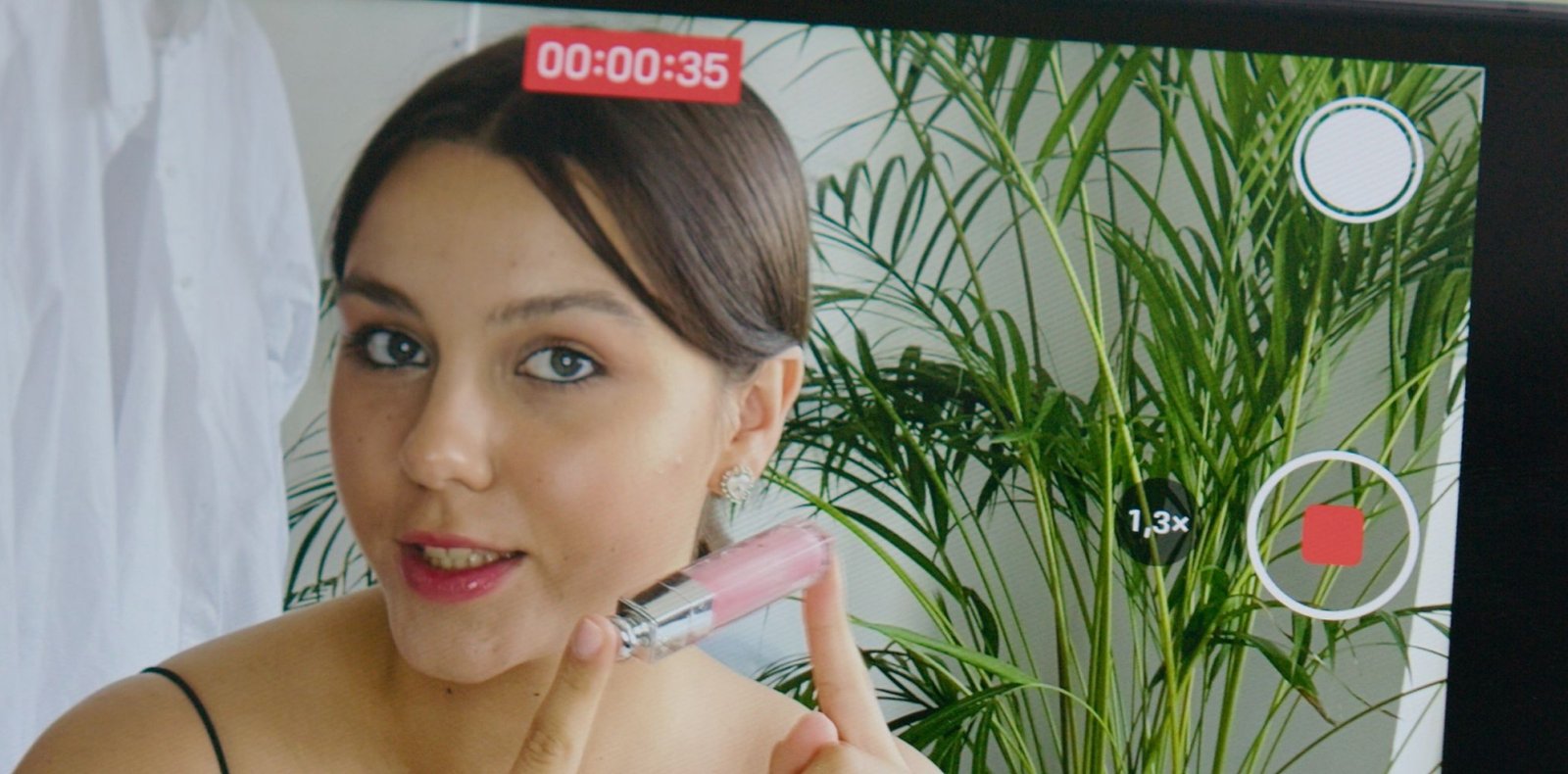
For physical products, this might involve filming the product in use.
For software, it could mean recording a walkthrough of the platform.
The key is to go beyond showing what the product does and explain why those capabilities matter.
For example, rather than simply demonstrating that a machine can complete a particular task, explain how that functionality could save time, reduce costs or improve efficiency.
A good demonstration should help customers connect product features with real-world benefits.
3. How-to and tutorial videos
Best for: Educating customers and helping them get more value from your products or services.
How-to videos are among the most practical types of content a small business can produce.
They answer specific questions and guide customers through individual tasks.
A software provider might create tutorials showing customers how to configure settings or use particular features.
A garden equipment supplier could demonstrate how to maintain its products.
A professional services company might explain how to prepare information before an appointment.
These videos don’t necessarily require elaborate production.
In many cases, a straightforward demonstration with a clear voiceover is all that’s needed.
They can also deliver value beyond marketing by helping customers use products correctly and reducing routine support enquiries.
4. Frequently asked question videos
Best for: Answering common questions and addressing concerns before customers get in touch.
Every business has questions it gets asked repeatedly.
How long does delivery take?
What’s included in the service?
How does installation work?
What happens after I place an order?
Rather than answering these questions individually every time, why not create a series of short FAQ videos?
These could feature a member of your team speaking directly to camera, a simple product demonstration or an animated explanation.
FAQ videos can be added to relevant website pages, shared with prospects and incorporated into customer communications.
They also give businesses an opportunity to demonstrate expertise and build confidence.
And because each video addresses a specific question, you don’t need to produce lengthy content.
Sometimes 30 to 60 seconds is enough.

5. Product feature and benefit videos
Best for: Highlighting individual capabilities and communicating competitive advantages.
A full product demonstration might explain everything a product can do.
But what if a customer is particularly interested in one feature?
Creating shorter videos focused on individual capabilities allows businesses to communicate more targeted messages.
For example, a technology company might produce a series of short videos, each highlighting a different platform feature.
One could focus on ease of use, another on security and another on integration capabilities.
The important part is connecting the feature to a meaningful customer benefit.
A feature is what your product does.
A benefit is why your customer should care.
This approach can be particularly effective for businesses with complex products or several different customer audiences.
6. Promotional and social media videos
Best for: Building awareness, generating interest and encouraging customers to take action.
Promotional videos are probably the most familiar type of business video content.
They can be used to introduce your business, launch a product, announce an offer, promote an event or encourage customers to visit your website.
But promotional content doesn’t always need to be a polished two-minute brand film.
Short clips designed for platforms such as Instagram, Facebook, TikTok and LinkedIn can be equally valuable, depending on where your customers spend their time.
A local retailer might use a short video to showcase a new product range.
A restaurant could introduce a seasonal menu.
A business-to-business service provider might share a short video highlighting a common industry challenge.
The format, length and style should reflect the audience and the platform.
And importantly, every promotional video should have a clear purpose.
What do you want someone to think, feel or do after watching it?
7. Customer testimonial and case study videos
Best for: Building credibility and helping prospects feel confident in their decision.
There’s a difference between telling customers how good your business is and letting an existing customer explain their experience.
Video testimonials bring customer feedback to life.
They allow prospective buyers to hear directly from people who have used your products or services.
Case study videos can go further by explaining the original challenge, the solution provided and the results achieved.
For example, a commercial cleaning company might interview a customer about the problems they faced with their previous supplier and the improvements they’ve experienced since switching.
These videos can be particularly valuable during the sales process, when potential customers are comparing suppliers and looking for reassurance.
The strongest testimonials feel genuine rather than heavily scripted.
8. Brand stories and behind-the-scenes videos
Best for: Humanising your business and communicating what makes it different.
Small businesses often have something larger competitors struggle to replicate.
Personality.
Customers may be interested in the people behind your company, why you started the business and the care that goes into what you produce.
Brand story and behind-the-scenes videos provide an opportunity to share those details.
You might introduce your team, show how products are made or explain the values that guide your business.
For example, an independent furniture maker could show the craftsmanship involved in producing a piece of furniture.
A local bakery might take customers behind the scenes of its morning preparations.
These videos help people understand not just what you sell, but who they’re buying from.

How video supports the entire customer journey
One of the biggest mistakes businesses make is treating video purely as a tool for attracting attention.
In reality, video can be useful long after someone first discovers your company.
Different types of content can address different questions and requirements as customers move towards making a purchase and beyond.
| Customer journey stage | Suitable video content | Business objective |
|---|---|---|
| Awareness | Promotional videos, brand stories and social media clips | Introduce the business and attract attention |
| Consideration | Explainers, product demonstrations and feature videos | Help customers understand and evaluate your offering |
| Decision | Testimonials, case studies and detailed demonstrations | Build confidence and address purchasing concerns |
| Onboarding | How-to videos and setup tutorials | Help new customers get started |
| Retention | FAQs, troubleshooting guides and feature updates | Improve customer experience and encourage continued use |
This is particularly relevant when considering the relationship between marketing and sales.
As we explored in our guide to sales enablement content, attracting an enquiry is only part of the challenge.
Businesses also need to provide the information that helps prospects understand their options and feel confident making a decision.
Video can play an important role in that process.
A product demonstration could be included in a sales proposal. A customer testimonial could be shared after an initial meeting. A short feature video could answer a specific question raised during a sales conversation.
In each case, video helps communicate information that might otherwise require lengthy written explanations or additional meetings.
One video shoot. Multiple pieces of content.
Here’s where small business video production can become particularly cost-effective.
Instead of approaching every video as an individual project, consider how a single production session could create content for several different purposes.
Let’s say you’re launching a new product.
You could arrange a half-day filming session to capture a product demonstration, interviews with your team and footage showing the product in use.
From that material, you might be able to produce:
- A two-minute product explainer for your website.
- Three shorter videos highlighting individual features.
- Five social media clips introducing key benefits.
- Two FAQ videos answering common customer questions.
- A short demonstration to include in sales presentations.
- Additional footage for future promotional campaigns.
That’s potentially a dozen useful pieces of content from one planned shoot.
Of course, the actual output depends on the complexity of the product, the footage required and the editing involved.
But the principle is simple.
Plan the content you need before you start filming, rather than deciding what to do with the footage afterwards.
This approach also helps maintain consistency.
Your website videos, social media clips and sales materials can all communicate the same messages, using the same visual style and product information.
And because the footage has been captured together, you can often avoid the cost and disruption of organising multiple separate shoots.
For smaller businesses working with limited marketing budgets, that can make a significant difference.
DIY video production or professional video production?
With video creation tools becoming more accessible, an obvious question is whether small businesses need to work with a professional production company at all.
The answer depends on what you’re trying to achieve.
There are plenty of situations where producing content yourself makes perfect sense.
A quick social media update, an informal behind-the-scenes clip or a simple screen-recorded tutorial might not justify professional production.
However, there are other occasions where investing in specialist expertise can make a meaningful difference.
| DIY video production | Professional video production |
|---|---|
| Ideal for informal updates and quick social media content | Ideal for important brand, product and promotional content |
| Lower initial financial investment | Greater control over production quality and presentation |
| Content can be created quickly and regularly | Specialist support with scripting, filming, animation and editing |
| Well suited to simple tutorials and FAQs | Well suited to complex demonstrations, explainers and campaigns |
| Requires internal time, equipment and editing skills | Can help businesses plan and produce multiple coordinated assets |
For many small businesses, the most practical approach is a combination of the two.
Create simple, timely content internally and invest in professional production for videos that need to represent your business at its best.
After all, a casual behind-the-scenes video on social media serves a different purpose from the main product demonstration on your website.
Both can be valuable. They just require different approaches.
How much does small business video production cost?
It’s probably the question most small business owners want answered.
And unfortunately, there’s no single figure.
The cost of video production depends on several factors, including the type of content, how it’s produced and the resources required.
For example, a straightforward screen recording with a voiceover will generally involve a different level of production from a filmed promotional video requiring multiple locations, specialist equipment and extensive editing.
Some of the main factors influencing cost include:
- Video format: Whether the content involves filming, animation, screen recording or a combination of approaches.
- Planning and scripting: The time required to develop the message, structure and creative concept.
- Filming requirements: Locations, equipment, crew and the amount of footage needed.
- Editing and post-production: The complexity of the edit, graphics, captions, sound and visual effects.
- Video length: Longer videos may require more footage and editing, although complexity often matters more than duration.
- Number of deliverables: Whether you’re producing one finished video or multiple versions for different channels.
The important thing is to start with what you want to achieve rather than assuming you need a particular production setup.
A clear brief and realistic budget allow you to explore the most appropriate approach.
And remember, the cheapest option isn’t always the most cost-effective.
A video that looks impressive but doesn’t communicate the right message may deliver little value.
Equally, an unnecessarily elaborate production could consume budget that would be better spent creating several useful assets.
The objective should be to get the greatest possible value from your investment.
How to get started with video production for your small business
Getting started with video production doesn’t need to be complicated. Use this simple checklist to plan content that works for your business and your budget.
Define your objective: Decide what you want your video to achieve, whether that’s generating enquiries, demonstrating a product or answering customer questions.
Know your audience: Identify what customers need to understand and which questions or concerns your video should address.
Choose your format: Select the most suitable approach, such as a product demonstration, explainer, tutorial, testimonial or promotional video.
Keep your message focused: Concentrate on one key message and include a clear call to action where appropriate.
Plan for multiple uses: Consider how footage can be repurposed for your website, social media, email campaigns and sales materials.
Measure the results: Track relevant metrics, such as engagement, enquiries and conversions, to understand what’s working.
Top tip: Start with one video that solves a genuine customer problem. You can build your video content library as your business grows.
How do you measure the success of video marketing?
It’s tempting to judge a video’s success by how many people have watched it.
And while views can be useful, they don’t always tell the full story.
A promotional video designed to build awareness will naturally have different success measures from a tutorial created to help existing customers.
The most relevant metrics depend on the purpose of the content.
| Metric | What it tells you |
|---|---|
| Views and reach | How many people your video is reaching |
| Watch time and completion rate | Whether viewers are staying engaged |
| Click-through rate | Whether viewers are taking the next step |
| Enquiries and conversions | Whether video is contributing to commercial opportunities |
| Customer support enquiries | Whether instructional videos are helping customers find answers |
| Content reuse | How much value you’re getting from the original production investment |
For example, a product demonstration viewed by 50 highly relevant prospects could potentially be more valuable than a promotional clip watched by thousands of people with no interest in your offering.
Similarly, an FAQ video that reduces repetitive customer enquiries may be delivering considerable value without generating a single sale directly.
The key is to measure video against the objective it was created to achieve.
Final thoughts: Make video work harder for your business
Video production doesn’t have to be expensive, complicated or reserved for businesses with substantial marketing budgets.
And it certainly doesn’t have to mean producing one elaborate promotional film.
For small businesses, the real value of video lies in its versatility.
It can introduce your company, explain your products, demonstrate features, answer customer questions and provide the reassurance people need before making a purchase.
It can also help existing customers get more value from the products and services they’ve already bought.
The important thing is to approach video with a clear purpose.
Think about the information your customers need, the messages you want to communicate and how each piece of content can contribute to your wider marketing and sales activity.
You don’t need a huge library of video content to get started.
You just need the right videos, created for the right reasons.
Bring your business to life with video
At ContentLoft, we help small businesses turn their ideas, products and expertise into engaging video content that works across marketing, sales and customer communications.
From product demonstrations and animated explainers to promotional videos and social media content, we can help you create professional assets that communicate your message clearly and make the most of your marketing investment.
Frequently asked questions about small business video production
Is video production affordable for small businesses?
Yes. Video production can be adapted to different budgets, from simple smartphone recordings and screen tutorials to professionally produced promotional content. The cost depends on the format, complexity and production requirements. Planning several videos together can also help businesses get more value from a single filming session.
What types of videos should a small business create?
The best types of videos depend on your customers and business objectives. Common examples include promotional videos, product demonstrations, explainer videos, how-to tutorials, FAQs, customer testimonials and social media clips. Start with the questions your customers ask most often and the information they need before making a purchase.
Can I produce business videos using a smartphone?
Absolutely. Modern smartphones can produce high-quality footage suitable for many business applications. Good lighting, clear audio and a well-planned message are particularly important. Smartphone videos can work well for informal social media content, quick product demonstrations, behind-the-scenes footage and customer updates.
How long should a small business promotional video be?
There’s no universal ideal length. A short social media promotion might only need 15 to 30 seconds, while a more detailed product explainer could run for one or two minutes. The right length depends on the audience, platform and message. Aim to communicate the necessary information without adding unnecessary content.
What's the difference between an explainer video and a product demonstration?
An explainer video introduces a product, service or concept and communicates how it addresses a customer need. A product demonstration focuses more directly on showing how something works, often highlighting specific features and functionality. Both can be valuable, particularly when customers need detailed information before purchasing.
How can video help small businesses generate more sales?
Video can help customers understand products, evaluate alternatives and feel more confident about purchasing. Product demonstrations, testimonials, feature videos and case studies can all provide useful information during the buying process. Video is most effective when it’s aligned with customer needs and supported by clear calls to action.
Do small businesses need professional video production?
Not necessarily. Many businesses can produce simple videos themselves using smartphones, screen-recording software and accessible editing tools. Professional production is particularly useful for important brand content, complex product demonstrations, animated explainers and campaigns where creative quality, consistency and presentation are priorities.